Skincare is more popular than ever among young people. Through TikTok, Instagram, and other social media channels, they’re constantly exposed to new routines, products, and skincare trends. But what works for one person isn’t automatically suitable for every type of (acne-prone) skin. Especially during puberty, hormonal changes can cause the skin to react more sensitively, resulting in increased sebum production, clogged pores, blackheads, and pimples. A suitable skincare routine is therefore essential for keeping the skin balanced. But how do you approach this effectively as a skincare professional? In this blog, you’ll learn everything about acne-prone young skin, suitable ingredients, and a professional skincare routine.
The Role of Social Media
Social media is playing an increasingly important role in how young people view skincare. On TikTok, Instagram, and YouTube, influencers and content creators share skincare routines, product reviews, and tips every day. As a result, products and ingredients can become hugely popular in a short amount of time.
This can be inspiring for young people, but it can also cause confusion. A product that works well for someone on social media isn’t automatically suitable for every skin type. Especially for young, acne-prone skin, following extensive routines or combining different active ingredients can lead to irritation and a compromised skin barrier.
That is precisely why professional advice is so important. As a skincare professional, you can help young people make informed choices and develop a skincare routine that suits their skin type. Not every viral skincare trend is necessary. A simple, consistent routine using the right products often provides a much better foundation for healthy skin.
What is acne-prone skin?
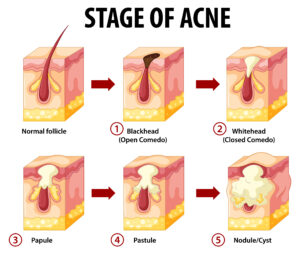
Acne-prone skin is a skin condition characterized by increased sebum production, causing pores to become clogged more easily due to a buildup of sebum and dead skin cells. This can lead to blackheads, pimples, and inflammation.
Acne is caused by a combination of various factors, including increased sebum production, disruption of the keratinization process, and the presence of the bacterium Cutibacterium acnes , and an inflammatory response in the skin. The severity of acne can range from a few blemishes to extensive inflammation.
An effective skincare routine focuses on cleansing the skin, keeping pores clear, supporting the skin barrier, and reducing inflammatory reactions.
How can you tell if you have acne-prone skin?
You can often recognize acne-prone skin by the following characteristics:
- Blackheads (open and closed comedones).
- Pimples and inflammation.
- Increased sebum production.
- Glowing skin.
- Enlarged pores.
- Redness around blemishes.
Not all blemished skin is acne. A professional skin analysis helps assess your skin condition and develop an appropriate treatment plan and at-home routine.
What causes acne?
Acne is caused by several factors that influence one another.
Common causes include:
- Hormonal changes, especially during puberty.
- Increased sebum production.
- A buildup of dead skin cells that clogs pores.
- Proliferation of the bacterium Cutibacterium acnes.
- Genetic predisposition.
- Stress.
- The use of unsuitable skin care products.
Although diet is often cited as a cause, research shows that, in particular, diets with a high glycemic load—and possibly dairy products—can affect acne in some people. However, the relationship varies from person to person.
Why is proper acne care important?
Acne-prone skin requires a consistent, gentle skincare routine. An overly aggressive approach can disrupt the skin barrier, causing the skin to produce even more sebum and potentially increasing irritation.
Proper care helps to:
- to remove excess sebum;
- to keep pores clean;
- to reduce impurities;
- to support the skin barrier;
- to moisturize the skin without weighing it down;
- to help prevent new impurities from forming.
What ingredients are good for acne-prone skin?
Acne-prone skin benefits from ingredients that cleanse the pores, soothe the skin, and support the skin barrier.
- Salicylic acid (BHA) is a fat-soluble beta-hydroxy acid that, thanks to its lipophilic properties, can penetrate deep into the sebum-rich hair follicle. There, it helps loosen excess sebum, dead skin cells, and other buildup, making pores less prone to clogging. In addition, salicylic acid has keratolytic and comedolytic properties, which means it promotes the exfoliation of dead skin cells and helps reduce the formation of blackheads. Salicylic acid also has anti-inflammatory properties, which can help reduce the redness and inflammation characteristic of acne-prone skin.
- SymCalmin® is a bioactive ingredient derived from oats that has been specially developed for the care of sensitive and irritated skin. It helps regulate the activity of pro-inflammatory mediators, thereby limiting inflammatory reactions in the skin. As a result, SymCalmin® helps reduce redness, irritation, and a burning or stinging sensation. In addition, it helps restore the skin barrier, making the skin more resistant to external irritants.
- Prebiotics support the skin microbiome by selectively providing nutrients to beneficial microorganisms that are naturally present on the skin. A balanced microbiome plays an important role in maintaining a healthy skin barrier and helps limit unwanted bacterial overgrowth. This makes the skin more resilient to external influences and helps maintain its natural balance. For acne-prone skin, supporting the microbiome can contribute to a healthier skin environment.
- Calendula contains various bioactive compounds, including flavonoids, triterpenes, and carotenoids, which are known for their skin-soothing and antioxidant properties. These compounds support the skin’s natural healing process, help reduce redness and irritation, and protect the skin against oxidative stress. In addition, calendula helps the skin feel comfortable and supports sensitive skin.
Skincare trends: What does young skin really need?
Every day, social media presents young people with an idealized image of “perfect” skin. Filters, edited images, and elaborate skincare routines can give the impression that smooth, pore-free skin is the norm. As a skincare specialist, you can help put that image into perspective. Healthy skin doesn’t have to be perfect, and an elaborate routine certainly isn’t always better.
When it comes to young skin , simplicity, consistency, and the right products are key. A gentle cleanser, a suitable moisturizer, and daytime sun protection form a good foundation. Additional products with claims such as anti-aging, glow, or skin-smoothing benefits are usually unnecessary for young skin and can actually cause irritation if used incorrectly.
When it comes to active ingredients, it’s also important to take a critical look at what the skin actually needs. Combining different acids, scrubs, and serums simply because they’re popular online can put unnecessary strain on the skin barrier. Especially with acne-prone skin, it’s important to consider not only blemishes but also the skin’s condition and tolerance.
As a cosmetologist, you play an important advisory role in this area. Help young people see skincare not as a way to conform to an ideal image, but as part of a healthy skincare routine. A professional skin analysis allows you to determine which products and ingredients are right for the skin while also setting realistic expectations.
Does a young client have severe or persistent acne or another skin condition? If so, it’s important not to make a medical diagnosis and to refer the client to a primary care physician or dermatologist when necessary. This way, you can combine professional skincare with responsible advice.
Facial Treatment for Acne-Prone Skin (for Professionals)
For salons and skincare professionals, acne-prone skin requires a treatment focused on deep cleansing, exfoliation, and restoring the skin’s balance. The goal is to reduce breakouts without drying out or irritating the skin.
The GINKEL’S Young Skin Care line has been specially developed for young, acne-prone skin. Thanks to a combination of exfoliating, soothing, and moisturizing ingredients, the line helps keep pores clear, soothe the skin, and support the skin barrier.
Sample Treatment Protocol for Professionals in 4 Steps
Step 1: Cleaning
Start the treatment with a cleanser that best suits your skin’s needs.
Classic Cleansing Use our Multi-skin Cleansing Milk or Tonic for gentle daily cleansing.- Deep Cleansing
: Choose the AHA Cleansing Tonic for a more intensive cleanse that removes dead skin cells and refines the skin’s texture.
: Refreshing Cleanser The Young Skin Face Wash Foam removes excess sebum and impurities without drying out the skin.
Step 2: Exfoliation
Depending on your skin condition, choose the Young Skin Peeling 1% or the Cleansing Scrub.
The Young Skin Peeling 1% with salicylic acid exfoliates the skin and helps keep pores clear, while SymCalmin® soothes the skin and helps reduce redness.
The Cleansing Scrub combines salicylic acid with AHAs and natural exfoliating particles to remove dead skin cells, stimulate cell renewal, and deeply cleanse pores. Prebiotics support the skin microbiome, while bisabolol helps soothe the skin.
Step 3: Mask
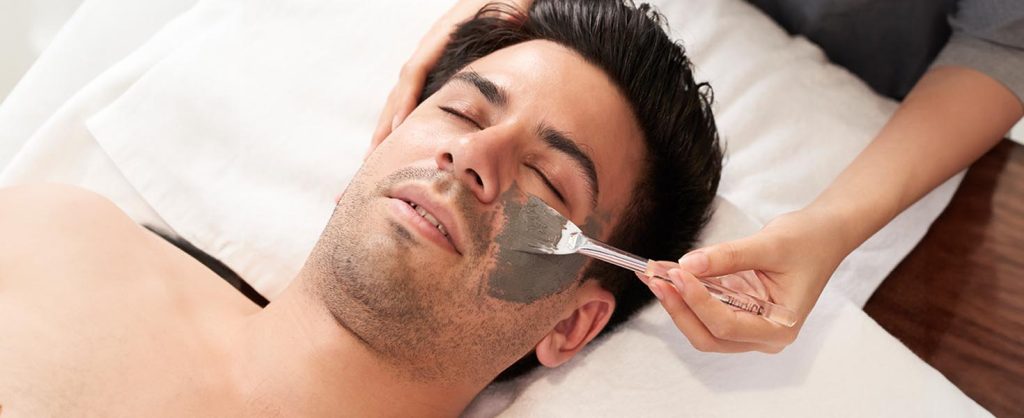
Apply the Young Skin Face Mask generously with a mask brush and let it work for 15 minutes. Thanks to calendula and prebiotics, the skin is soothed, hydrated, and supported in maintaining its natural balance.
Step 4: Cream
Finish the treatment with the Young Skin Face Cream. This 24-hour cream contains glycerin, Matrixyl®, shea butter, salicylic acid, and chamomile. The cream provides long-lasting hydration, supports the skin barrier, and helps refine the skin’s texture, while salicylic acid keeps pores clean and helps reduce blemishes.
Tip! Advise the customer to continue the treatment at home with the Young Skin @Home Box. This package includes a Face Wash Foam, Cleansing Scrub, and Face Cream all in one set. A consistent at-home routine is essential for keeping the skin clean, helping to prevent new breakouts, and maintaining the salon results achieved.
Common Mistakes for Acne-Prone Skin
Even acne-prone skin can worsen due to an improper skincare routine.
- Popping pimples.
- Cleansing or exfoliating the skin too aggressively.
- Not moisturizing the skin enough.
- Using oily or comedogenic products.
- Not following a daily skincare routine.
Caring for acne-prone skin is all about balance. By gently cleansing the skin, keeping pores clear, and supporting the skin barrier, the skin stays in better condition. With the GINKEL’S Young Skin Care line, you—as a beauty professional—have access to a complete treatment line to effectively support young, acne-prone skin both in the salon and at home.